 Car Troubleshooting
Why does my car squeal when I start it up? That is a very good question, and one we hear often. A high pitched squeal at startup is frequently related to the engine's accessory belt system, but similar sounds can come from several different parts. This guide explains the possible sources, what the timing of the noise can tell you, other warning signs to watch for and when the problem deserves a professional inspection.
Quick Takeaways
- A startup squeal often involves the accessory belt system, but not always.
- When and how the noise happens offers useful clues.
- Different parts can make very similar sounds.
- A sound alone is not enough to know what needs repair.
What That Squeal Usually Means
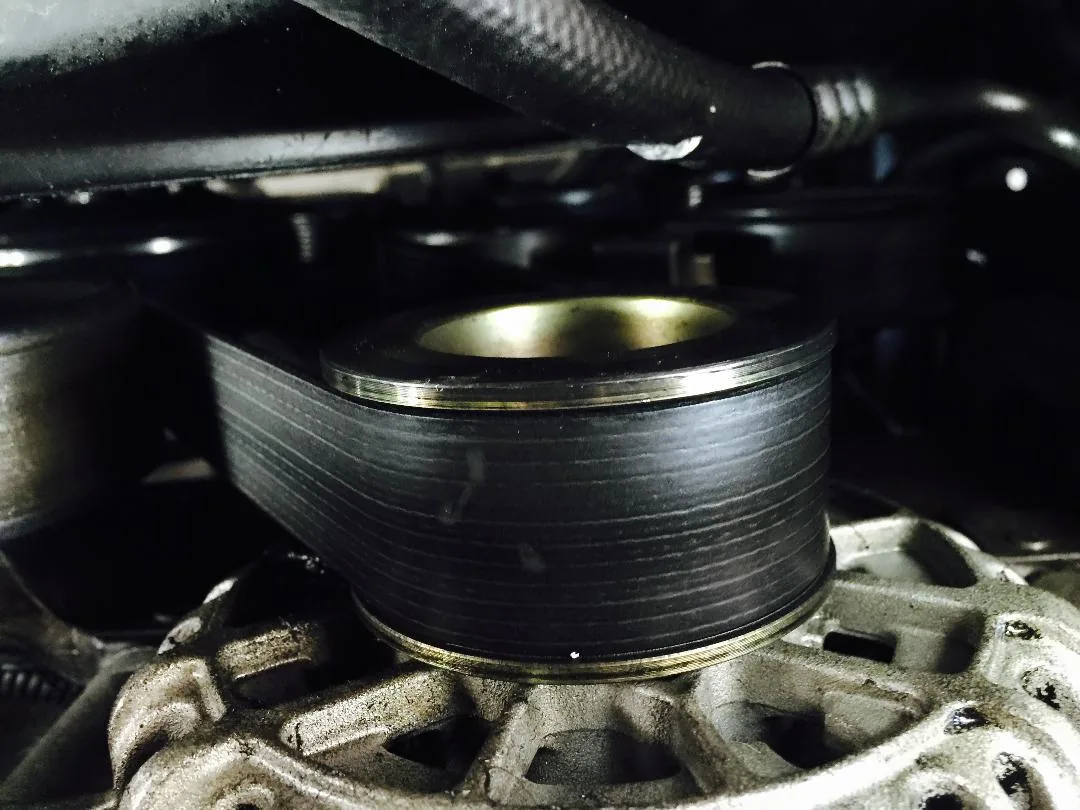
A squeal is typically caused by something slipping or rubbing. At startup, the engine suddenly asks its accessories to begin working, which puts a quick load on the parts that drive them. If something in that system is worn or not gripping properly, it may protest with a squeal for a few seconds or longer.
Hearing a squeal does not tell you which part is responsible. It tells you that something is worth paying attention to.
Possible Sources Of A Startup Squeal
On most modern vehicles, a serpentine belt driven by the engine powers accessories such as the alternator and AC compressor, and often the power steering pump and water pump. Many startup squeals trace back to this system, but there are several possible sources:
- 1A worn, glazed or cracked serpentine belt
- 2A belt tensioner that is not holding proper tension
- 3An idler or accessory pulley with a worn bearing
- 4An accessory that is starting to drag or bind
- 5Oil or coolant contamination on the belt
When The Noise Happens Matters
Paying attention to the circumstances around the squeal can help a technician narrow down the cause. Some useful details to notice:
- 1Only on cold mornings or in damp weather
- 2For a few seconds, or continuously while driving
- 3Louder when the AC is turned on
- 4Louder when turning the steering wheel
- 5Changes with engine speed
Other Warning Signs To Watch For
A squeal sometimes appears alongside other symptoms. A battery or charging warning light, dimming lights, heavier steering, weaker air conditioning or a rising temperature gauge can all suggest that an accessory is not being driven properly. Visible cracks or fraying on the belt are another sign worth mentioning to your mechanic.
If your temperature gauge starts to climb, stop driving as soon as it is safe and have the cooling system checked. Our radiator service page covers how we help with cooling concerns.
Not Every Squeal Comes From The Engine
Drivers sometimes describe several different sounds as a squeal. A noise that happens while braking points to a different system entirely, and our brake repair page explains that service. A squeal during sharp turns may involve steering or suspension components.
Why A Sound Alone Is Not Enough
Because several parts can produce nearly identical sounds, replacing parts based only on the noise can mean spending money without fixing the problem. A proper inspection looks at the actual condition of the components involved before a repair is recommended.
When To Have It Checked
A brief squeal that disappears quickly may not be an emergency, but it should not be ignored for long. If the noise is getting louder, lasting longer or showing up with warning lights or overheating, have the vehicle inspected soon. If an accessory belt fails completely, the systems it drives can stop working.
If you have any questions, contact us and we will be very happy to address this issue for you. Scott's Auto Repair is located at 1015 Meeting Street in West Columbia, SC.
Need Help With Your Vehicle In West Columbia?
Call Scott's Auto Repair or request an appointment online.